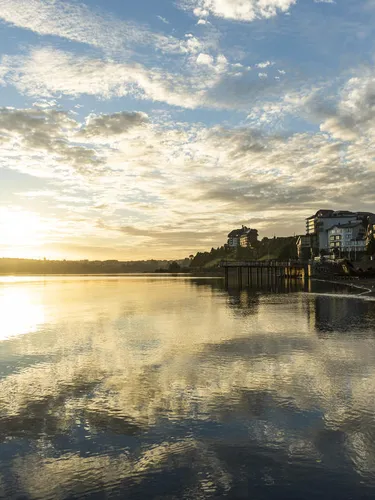
© Yawar Films / WWF
Climate
Climate change is reshaping the places, species, and livelihoods that WWF works to protect. Addressing global warming is essential to conserving biodiversity and building a more resilient future for people and nature.
Why climate change matters
Climate change sits alongside nature loss as defining challenges of our time. The rising temperatures and extreme weather caused by global warming are placing growing pressure on the natural systems that sustain life and the communities and economies that depend on them.
Our approach to climate change
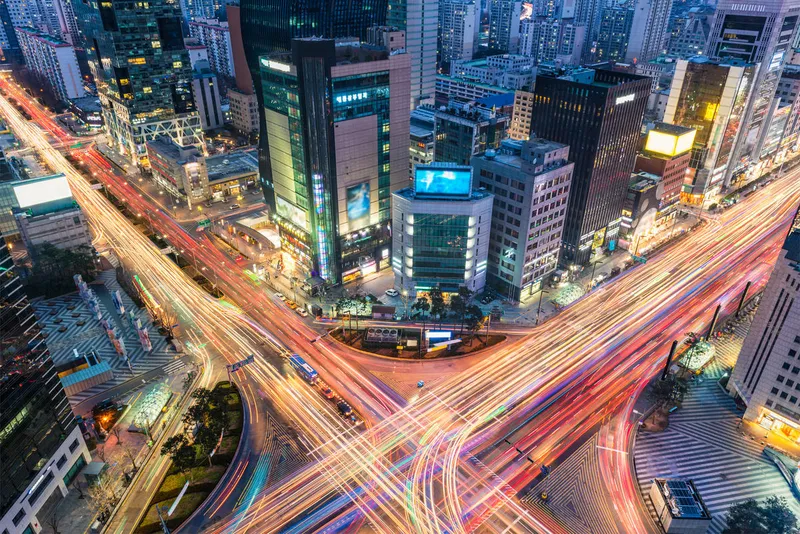
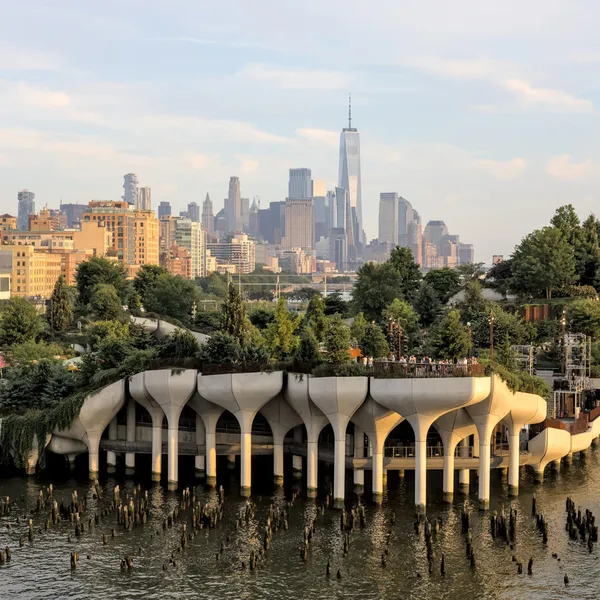
© Shutterstock / Vincent St. Thomas / WWF
Corporate climate action
We partner with companies to accelerate the transition to a clean economy, reducing emissions across operations and supply chains, advancing renewable energy, and driving change at the systemic level. By working collectively with leading businesses, we help scale climate action at the speed and ambition required.
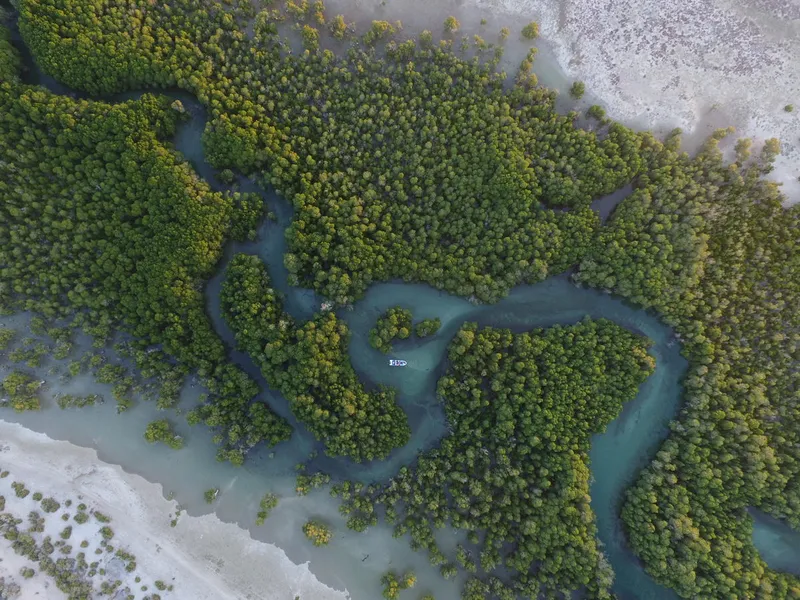
© Martina Lippuner / WWF-Africa
Adaptation and resilience
We work with communities, governments, companies, and partners to prepare for and respond to the impacts of climate change. By reducing risk and strengthening resilience to cascading climate threats, we help people and ecosystems adapt and thrive in a rapidly changing world.
How climate change is affecting the places most essential for all life on Earth
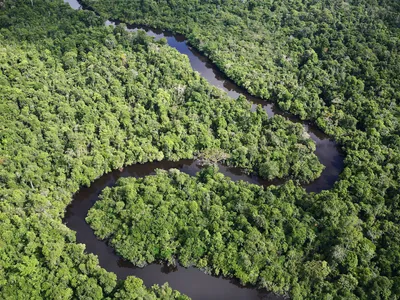
© Brent Stirton / Getty Images
The Amazon
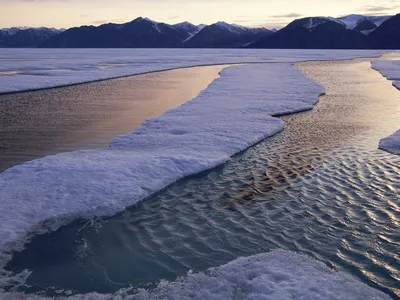
© Staffan Widstrand / WWF
The Arctic

© Neyret & Benastar / WWF
The Eastern Himalayas
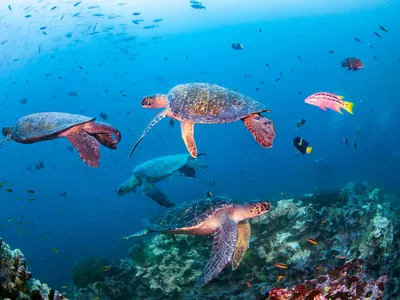
© Antonio Busiello/WWF-US
The Eastern Pacific Ocean
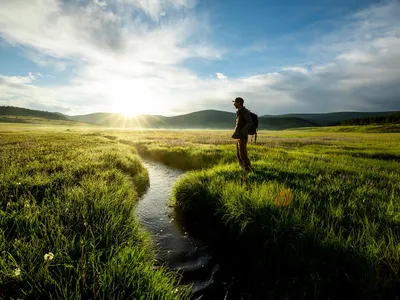
© Jordan Siemens/Digital Vision/Getty Images
The Great Plains
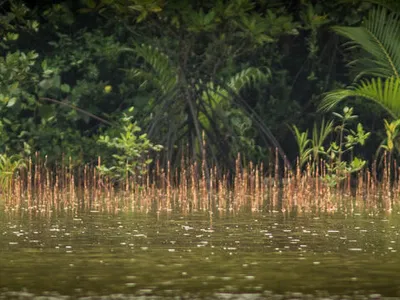
© WWF-Malaysia / Mazidi Abd Ghani
The Greater Mekong
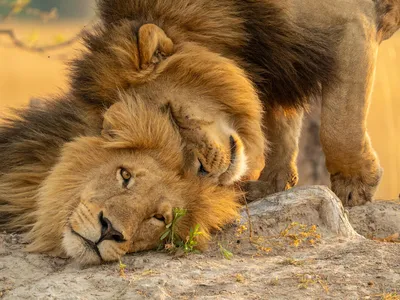
© WWF-US/Gareth Bentley
Southern Africa
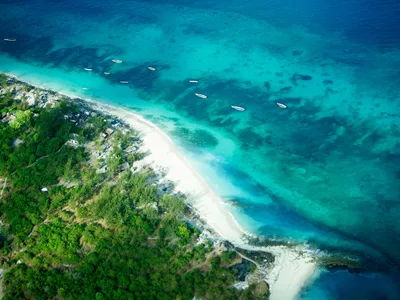
© Brent Stirton / Getty Images / WWF-UK
The Southwest Indian Ocean
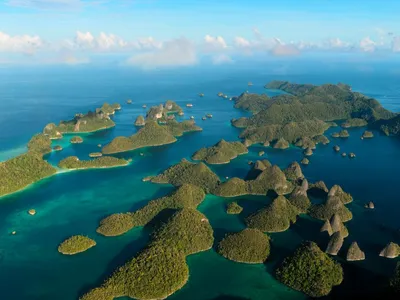
© Gemilang Dini Ar-Rasyid /Silverback/Netflix
The Southwest Pacific
Projects
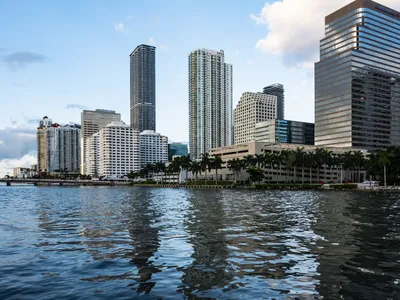
© Jason Houston/WWF-US
Climate Business Network
Accelerating corporate climate action through collaboration, supporting companies with reducing emissions across and beyond value chains through expert guidance, peer learning, and collaborative mobilization.
© Jason Houston/WWF-US
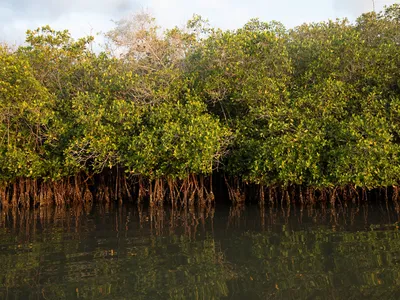
ManglarIA
Using artificial intelligence to protect mangroves and strengthen coastal resilience, improve carbon storage, and advance climate-smart conservation.
© Shutterstock.com / Glenmore
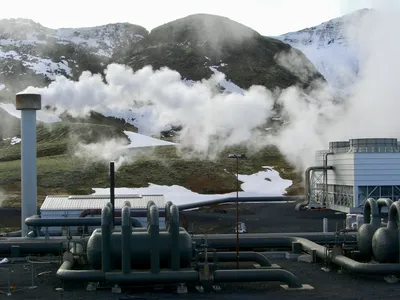
Renewable Thermal Collaborative
A global coalition co-convened by WWF to decarbonize industrial energy use by helping companies scale renewable heating and cooling.
© WWF-Indonesia / Yunaidi Joepoet
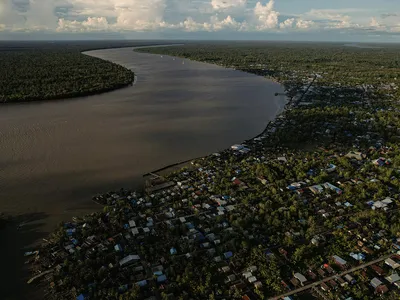
Project PLAN
Advancing large-scale adaptation through nature by developing tools, finance, and partnerships that help integrate nature-based solutions into climate planning.
News and stories

Follow us
Follow the Climate program on LinkedIn for the latest insights, stories, and updates.
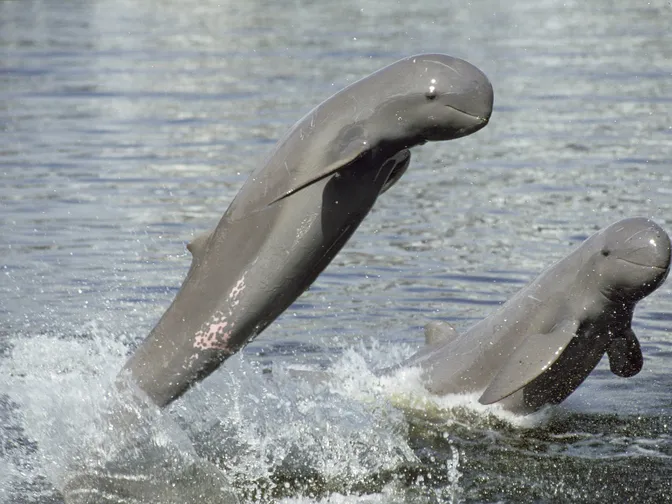
© naturepl.com / Roland Seitre / WWF-Canon
Experts
-
Ryan Bartlett
Director, Climate Risk Management & Resilience
-

Tim Juliani
Director, US Corporate Climate Engagement
-

David Kuhn
Corporate Resilience Lead
-

Shaun Martin
Vice President, Adaptation and Resilience, Deputy Lead, Climate Change
-

Marcene Mitchell
Senior Vice President, Climate Change
-

Daniel Riley
Director, Corporate Climate and Renewable Energy
-
Marty Spitzer
Vice President, Climate and Renewable Energy
-

Anita van Breda
Senior Director, Environment and Disaster Management
-

Carlos Claussell Velez
Manager, Climate, Community Benefits and Social Impact
-

Cihang Yuan
Deputy Director, Corporate Climate and Renewable Energy